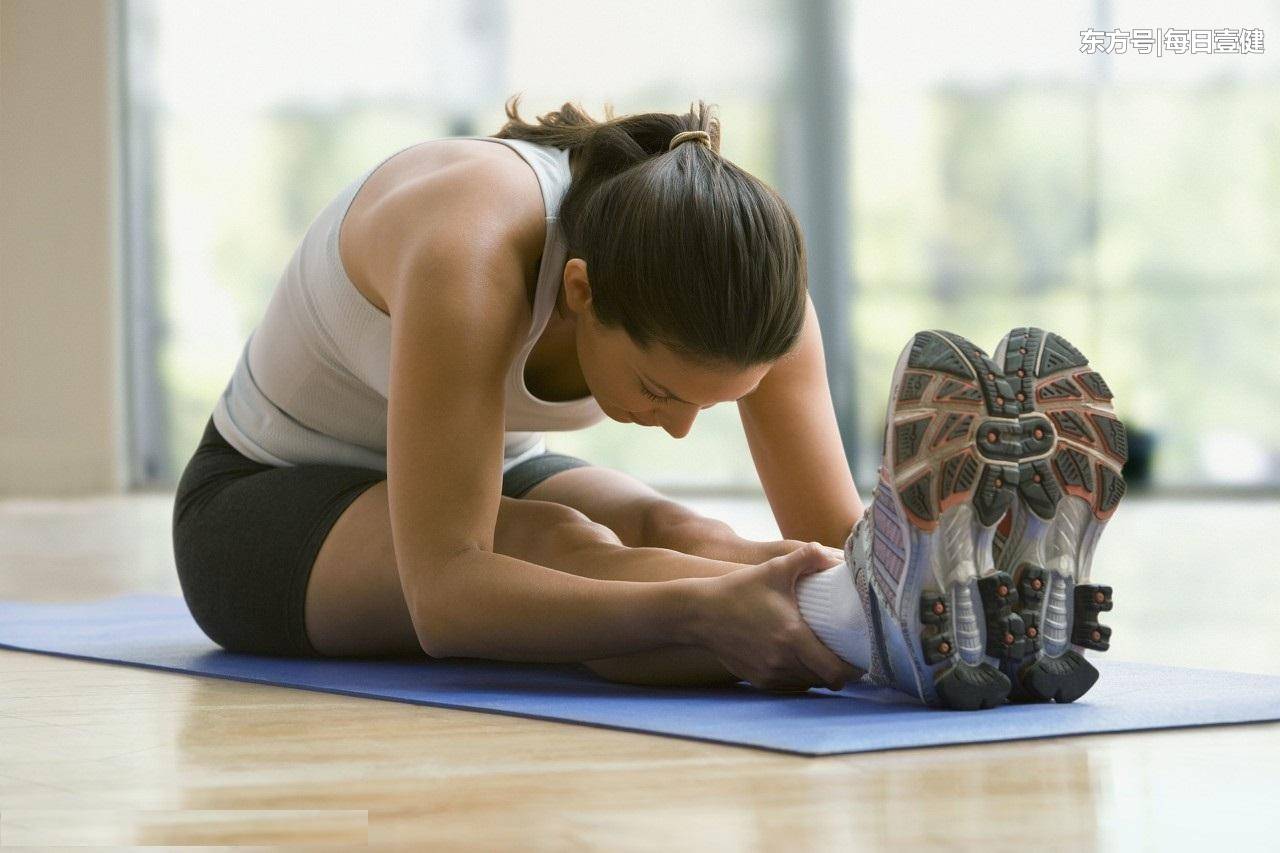
With the material conditions getting better and better, many people begin to pay attention to their health. After all, no matter how good the living conditions are, they have to have a good body to enjoy it. Therefore, many people through sports to enhance the physical fitness, strong health. Some people say that you can't drink water during exercise. Is this true? There are many common sense in sports that we don't know.
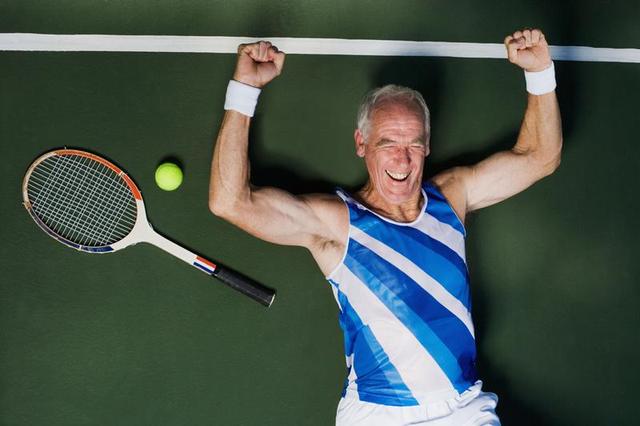
Some common sense of exercise and fitness
1. Never drink water during exercise
There's nothing more ridiculous than that. You don't even have to wait until you're thirsty to drink. If you feel that you are going to dehydrate, you should add water immediately. Drink a glass of water before exercising in the morning.
Cells in the body rely on circulation to get the energy they need and excrete waste. When lack of water, the body fluid that moistens the cells will be reduced, and the cells will not be able to function normally. Without body fluids, muscles can't continue to work, and the heart will be extremely tired. Part of the body fluid lost is blood. This means that the heart has to beat several more times in order to keep the reduced blood circulating.
2. Eating sugar before exercise can improve energy level
Taking sugar before a competition or exercise is more harmful than beneficial. Even things like honey and lemon juice can have bad effects. Through physiological research, it is found that sugar can cause insulin reaction. As a result, sugar is expelled from the body to the storage organs.
The need for sugar to replenish depleted energy can only be achieved after one and a half hours of continuous exercise such as a marathon, golf or tennis match, and the excess sugar will not generate additional energy.
3. Some foods are forbidden before exercise
A large number of tests at UCLA's human exercise laboratory have shown that the type of food people eat is irrelevant to exercise or health. We collect materials about this, select foods that are on the fast list and give them to athletes in Universities for free. Indigestible, gassy, seasoned - everything. No matter in the playground or in the laboratory, no matter the athletes themselves or researchers, no one found any strange phenomenon, and no athlete fell ill because of eating "forbidden" food.
4. Don't eat before swimming
How this statement came into being is unknown to us. There is neither record nor scientific evidence. Spasticity rarely causes drowning. People who drown from spasmodic drowning may have heart disease.
The theory against eating before swimming is that it will introduce blood into the intestine. According to this saying, the heart will be overworked at the beginning of exercise because the muscles also need blood. In fact, once the exercise starts, the blood stops flowing to the intestine and then to the muscles.
Exercise after eating, at most can only feel a sharp pain in the ribs. But spasticity has nothing to do with food.
5. Salt prevents fatigue
Absolutely not. Salt is worse than no salt.
It's true that when you sweat a lot, your muscles will spasm unless you add salt. Salt does not immediately dissipate fatigue, but too much salt can cause nausea and vomiting.
6. Eating more protein can make you healthy
Many athletes believe it. As a result, the tonic salesmen were overjoyed and encouraged to open their stomachs. In fact, eating more protein is a waste of money.
The human body needs all kinds of food. It's just as ridiculous not to eat a certain food as it is to take supplements.
7. Sleep more hours before the game or when you are tired
People can neither save sleep nor make up for it. 12 hours is worse than 8 hours. Sleep for more than eight hours, up to nine hours, does not produce energy.
Bed rest can cause disorders. Beyond the maximum of nine hours, the longer you stay in bed, the weaker you are. Occasionally in a relaxed state lying in bed, almost as leisurely as sleep, but also can get enough recovery. Because I'm worried that I can't sleep, I'd better get out of bed and do some exercise than lie down for more than 8 hours. Relax when you can't sleep.
8. Sweat before the game
There's no harm in sprinting. It's not harmful for athletes to warm up. Any technique that is different from sweating preparation will do. Long distance runners should not only do their best, but also keep cool as long as possible. We know that runners who stay cool the longest get the best results.
Prolonged preparation and sweating are counterproductive. One reason is that the preparation runs out of nutritional reserves; the other is that the resulting body temperature exhausts the energy for the game. It's a lesson for anyone who starts to adapt.
9. Sweating can keep people in good condition
The basic rule of exercise is to avoid sweating whenever possible. It takes energy to get rid of the heat. This energy comes from the activity of sweat glands. When sweat glands use energy, there is less work that the body can do. When exhausted, sweat glands stop secreting activity, people have the risk of heatstroke.
In strenuous exercise, there is no danger in being comfortable and cool, and there is no advantage in uncomfortable warmth.
10. Put on your sweater after exercise
This one is the most loved by the old grandmother, of course, is also a bunch of nonsense. There's no point in covering the body with clothes and prolonging the heat. As for the statement that it can cause a cold, it can be imagined that a certain part of the body, such as the neck, will become stiff, but it will not catch a cold due to the change of temperature. When sweating after exercise, take off your sweater to help your body return to normal. No more heat, less sweating. Put on your sweater to avoid catching cold. As long as the body is not too hot for a long time, people will feel extremely comfortable.
11. Flush cold water after a hot bath to close pores
This is totally unnecessary. It's nice to have a cool bath after a hot bath, but the latter should be avoided, even if you are a masochist and enjoy it. It is not only unhelpful, but life-threatening. Cold water can cause skin and heart blood vessels to contract. Blood vessels are not pores, and pores do not have to be "closed.".
12. Never exercise in the hot sun at noon
In one song, Noel Calder wrote that only "mad dogs and Englishmen" went out at noon in the sun. In fact, it's safest to exercise on sunny days. When the sun is at the head, it is enough to cover the shade with a hat along the edge. However, in the middle of the morning and afternoon, the body is not immune to direct sunlight.
13. Avoid sex before exercise
There is a popular view that abstinence can reserve strength. There is no scientific basis for this. Athletes have all kinds of taboos. The more people get rid of taboos, the better their grades will be. After sex (even on the morning of the game), the athletes seem to be doing better. Inspired by this, coaches encourage athletes to bring their spouses with them.
14. Women who exercise lose their charm
On the contrary. They will become elegant, more intense, vigorous, flexible and powerful. The women who practice weightlifting and gymnastics have built up their muscles. However, because of its thick subcutaneous fat layer, it will not grow lumps like men, and the body can still maintain the contour of women. The development of the chest muscles can strengthen the lines of the chest. Similarly, women's main trouble - buttocks and thighs will also become slim due to exercise.