Brushing our teeth is a very important thing in our daily life. Don't brush your teeth because you are lazy. Today, I will tell you how to brush your teeth correctly. Let's have a look.
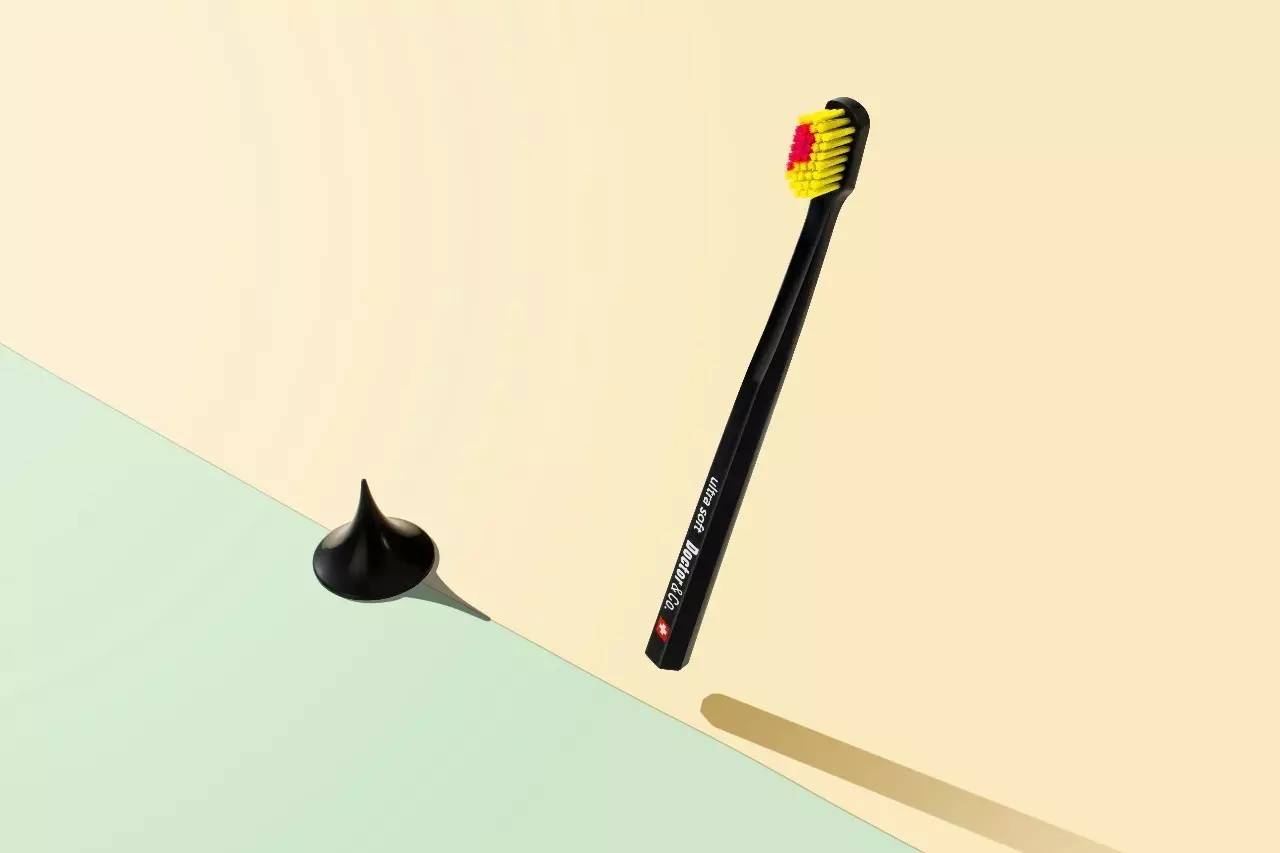
How to brush your teeth correctly
First of all, if you want to brush your teeth in the right way, you must choose a suitable toothbrush. The selection criteria are as follows:
- The size of the brush head varies from person to person, so it is necessary to choose a toothbrush that is consistent with your mouth shape;
- The bristles should be moderately hard or slightly soft;
- Tip of bristles: the top of each bristle should be round and blunt without sharp angle to avoid oral injury.
Step 1: squeeze out the appropriate paste, brush from the top row of teeth from the top to the bottom, so as to effectively remove the stains on the tooth space and protect the protective surface of the tooth surface at the same time;
Step 2: refer to the upper row teeth brushing method, the lower row teeth brush from bottom to top. The purpose is the same as above;
Step 3: the occlusal surface is brushed horizontally, and the toothbrush indicates that it coincides with the tooth surface in order to remove the residue in the occlusal area;
Step 4: the internal part of the big teeth should be in the same way as the first step. The lower teeth should be brushed from bottom to top, and the upper teeth should be brushed from top to bottom.
What should I pay attention to when I brush my teeth
1. Brush your teeth at least twice a day, once in the morning and before going to bed. If you have a lot of cavities, or periodontal disease, you can brush your teeth once more after lunch.
2. You can't brush your teeth with cold water, which can shorten the life of your teeth. The correct way is to brush teeth with warm water to reduce irritation to dentin.
3. After using the toothbrush, the head of the toothbrush should be placed upward, and the toothbrush should not be covered. It should be dried naturally to avoid bacterial reproduction.
4. Replace the toothbrush (or the brush head of the electric toothbrush) every two to three months. Once the bristles bifurcate and eversion, it should be replaced in advance.
5. To learn to floss, use it once a day if possible to remove plaque that can't be brushed from between your teeth.
Misunderstanding of tooth brushing
Myth 1: brushing your teeth in cold water
Cold water can cause toothache in dentin sensitive people, and is not conducive to the active substances in toothpaste. The main components of toothpaste are friction agent and fluoride. Laboratory research found that the best temperature for these active ingredients to play a role is about 37 ℃.
Suggestion: use warm water close to your body temperature when brushing your teeth.
Expert comments: warm water is best for brushing teeth
It's right to brush your teeth. Some people use cold water to brush their teeth, which can cause tooth sensitivity and pain. Especially in winter, you need to brush your teeth with warm water to avoid tooth sensitivity. Warm water should be close to body temperature, and too hot water is not good.
Myth 2: brushing too hard
If you brush your teeth with too much force, you may hurt your teeth.
Advice: 200 grams of strength is enough, about the same strength as a finger picking up a popsicle and brushing your teeth with the strength of your wrist, not your arm.
It's also right not to use too much force when brushing teeth. It's not that the more powerful you use, the more you can brush your teeth. If you brush your teeth in the wrong way, the more strength you use, the more likely you are to hurt your teeth. However, the force of brushing teeth varies from person to person, and there is no quantitative standard. The strength of brushing teeth is not light or heavy, and it is appropriate to brush the tooth surface. Each person can take and pinch according to his own situation.
Myth 3: brushing your teeth horizontally
A survey of this type of tooth brushing showed that more than 90% of Chinese people used a physical form of tooth brushing. On the one hand, lateral brushing can not remove the garbage in the gap between teeth, and it may also lead to wedge-shaped defect of tooth root, gingival damage, dentin sensitivity and other problems.
Choice of toothbrush
The basic principles of choosing toothbrush include: 1) small brush head; 2) moderate or soft bristles; 3) easy grasp of brush handle; 4) suitable for different stages of children's growth and development. The general people who have mastered the correct brushing methods and formed good brushing habits can have a greater choice according to their own preferences. Specifically:
(1) Most people can choose a toothbrush with medium or soft hair, and the end of the bristles is fully rounded. This kind of toothbrush can not only ensure the cleaning power, but also soften the gums of teeth, which is not easy to cause damage in the process of brushing teeth.
(2) For those who can't master the correct brushing method, more efficient and specially designed toothbrushes should be selected, such as the toothbrush with cross bristles or the appropriate electric toothbrush.
(3) For those who can't form a good habit of brushing teeth, the use of timers, plaque colorants and other tools or the use of electric toothbrush with intelligent guide is recommended.
(4) For people with rough tongue surface, toothbrush with tongue coating cleaner can help remove tongue coating and reduce and prevent halitosis.