We brush our teeth every day, but do you know? Many people have some misunderstandings when they brush their teeth, which leads to not so clean brushing and various oral diseases. What's the right way to brush your teeth? If you don't know anything about brushing your teeth before, you should read the article carefully.
Misunderstanding of brushing teeth
The toothbrush is always used if it doesn't break
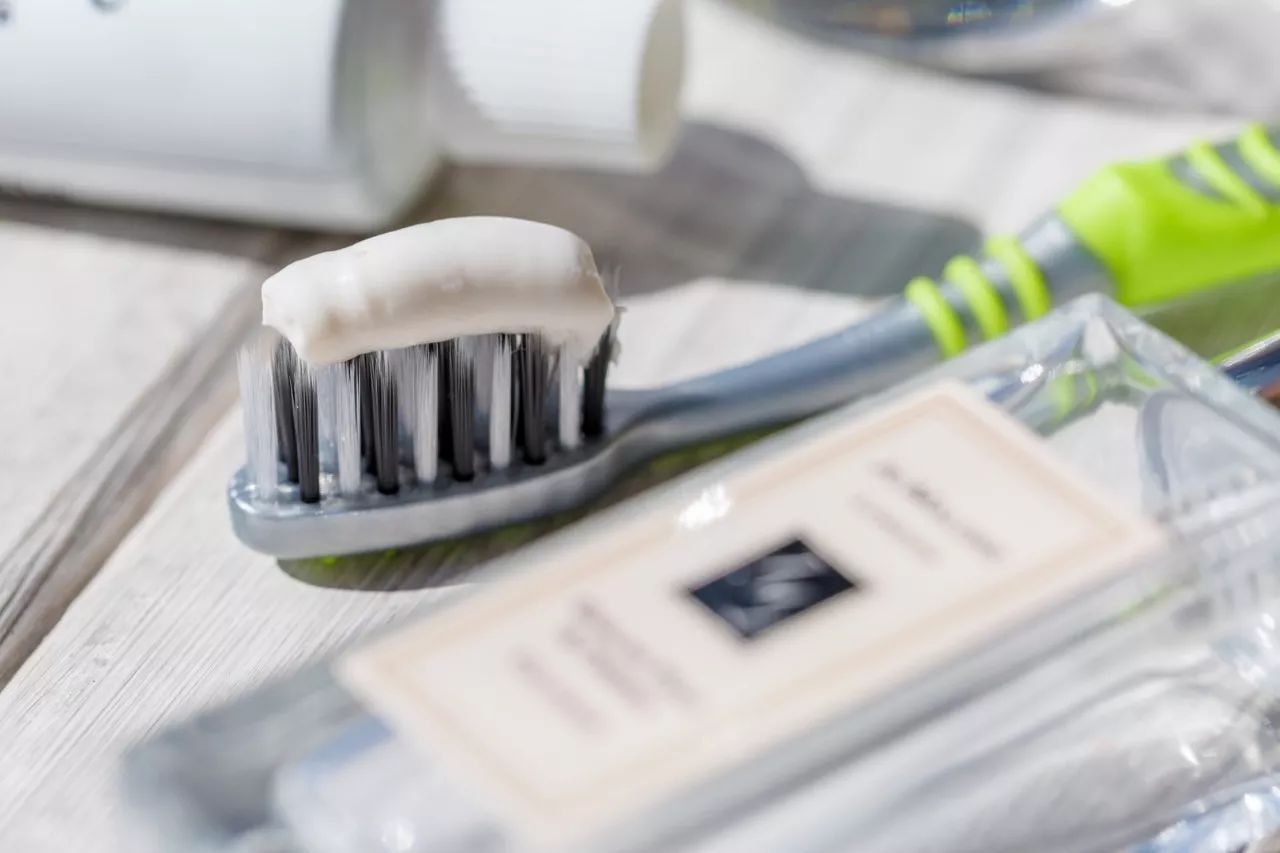
Toothbrush is the tool we use when brushing teeth. If this tool goes wrong, the effect of brushing teeth will be greatly reduced. Some people don't change their toothbrushes for a long time. They think that they can use them again, so there is no need to change them. In fact, the toothbrush should be replaced every two to three months, otherwise there will be a lot of bacteria on it, and it is very unsanitary to continue to use it.
After brushing your teeth, there will be a small amount of bacteria left on the toothbrush. No matter how you clean the toothbrush, you can't completely remove the bacteria, so it's important to replace them regularly. In fact, the price of toothbrushes is not expensive. Most toothbrushes only cost more than ten yuan or even a few yuan. This money can be easily saved in other places. Don't save money on oral problems.
Cold water for brushing teeth
When brushing teeth, many people directly contact tap water to start brushing, although it is very convenient, but it is not healthy. Because supercooled water can irritate our teeth and gums, which may cause some oral problems. Therefore, it is recommended to use warm water close to human body temperature to brush teeth throughout the year. I hope you will remember this point.
Brush your teeth when you get up early
I brush my teeth every day when I get up. I brush my teeth and eat at night. We have been taught to brush our teeth and wash our face since we were young. However, it is wrong that we should brush our teeth after meals rather than before, because brushing is to clean up the food residues left in our mouth. Why brush our teeth before eating?
However, many patients will say that if they don't brush their teeth when they get up, they will have bad breath and have a bad breakfast. In fact, this brings out another bad habit, that is, eating after brushing your teeth at night, which is equivalent to not brushing, and you will have bad breath in the morning. If you don't eat any more when you brush it at night, but you still have bad breath in the morning, you should go to see the digestive system and see if you have stomach problems. Therefore, the correct time to brush teeth should be after dinner, twice in the morning or three times in the morning and evening. It is really difficult to brush your teeth before going to bed and stop eating.
This is also a misunderstanding that we often encounter. Many people brush their teeth as quickly as they gargle. They can't brush their teeth cleanly. The correct brushing method should be short horizontal brush method (also known as horizontal vibration method) or vertical rotation method or a combination of both methods. Each tooth has three surfaces, and each face should be brushed at least five times. In this way, it can naturally be brushed for 2-3 minutes, and then it can be cleaned.
The right way to brush your teeth
Adult brushing method: horizontal vibration brushing method (modified bass brushing method)
Horizontal vibration brushing is an effective way to remove plaque in gingival sulcus and tooth surface. Horizontal vibration is mainly to remove the plaque in the neck and gingival groove, while brushing is mainly to remove the plaque on the lip (cheek) tongue (palate). The specific operation is as follows:
1. Place the head of the brush on the neck of the tooth, and the bristles point to the root direction (the maxillary teeth upward and the mandibular teeth downward). The bristles and the long axis of the teeth are at an angle of 45 ° and slightly pressurized, so that part of the brush hairs enter into the gingival sulcus, and some of them are placed on the gums.
2. Brush the teeth from the buccal side of the posterior teeth with 2-3 teeth as a group, and then move the toothbrush to the crown direction to brush the cheek surface. After brushing the first part, move the toothbrush to the position of the next group of 2-3 teeth and place it again. Pay attention to the overlapping area with the previous part, continue to brush the next part, and brush the lip (cheek) surface of the upper and lower teeth in order.
3. Brush the lingual (palatal) surface of the posterior teeth in the same way.
4. When brushing the front lingual surface, place the brush head vertically on the tooth surface, so that the front bristles contact the gingival margin and vibrate from top to bottom. It vibrates from bottom to top when brushing the lingual surface of anterior teeth.
5. When brushing the occlusal surface, the bristles should point to the occlusal surface, and brush back before and after with a little force.
Children's tooth brushing method: arc brushing method (fonts brushing method)
Children's oral health is a very important thing, tooth brush good or bad will affect the baby's nutrition intake and health. And children's teeth are very big, not clean and easy to cause dental caries in children. For children, we should choose the toothbrush with soft bristles, and those older than 10 years old can brush the middle hair toothbrush, but do not use too much force. At the same time, it is recommended to use the fonts brushing method, which is easy for young children to learn to understand and master.
Brushing tips: put the toothbrush into the vestibule of the mouth when the upper and lower teeth bite together. The bristles slightly contact the gingival area of the last molar of the upper jaw. With a faster and wider arc action, the lower pressure is dragged from the maxillary gingiva to the mandibular gingiva. The anterior incisal margin contacted with the cutting edge and made continuous circular arc vibration. The lingual side and palatal side needed to vibrate back and forth, from the maxillary arch to the mandibular arch.
Choice of toothbrush
The basic principles of choosing toothbrush include: 1) small brush head; 2) moderate or soft bristles; 3) easy grasp of brush handle; 4) suitable for different stages of children's growth and development. The general people who have mastered the correct brushing methods and formed good brushing habits can have a greater choice according to their own preferences. Specifically:
(1) Most people can choose a toothbrush with medium or soft hair, and the end of the bristles is fully rounded. This kind of toothbrush can not only ensure the cleaning power, but also soften the gums of teeth, which is not easy to cause damage in the process of brushing teeth.
(2) For those who can't master the correct brushing method, more efficient and specially designed toothbrushes should be selected, such as the toothbrush with cross bristles or the appropriate electric toothbrush.
(3) For those who can't form a good habit of brushing teeth, the use of timers, plaque colorants and other tools or the use of electric toothbrush with intelligent guide is recommended.
(4) For people with rough tongue surface, toothbrush with tongue coating cleaner can help remove tongue coating and reduce and prevent halitosis.