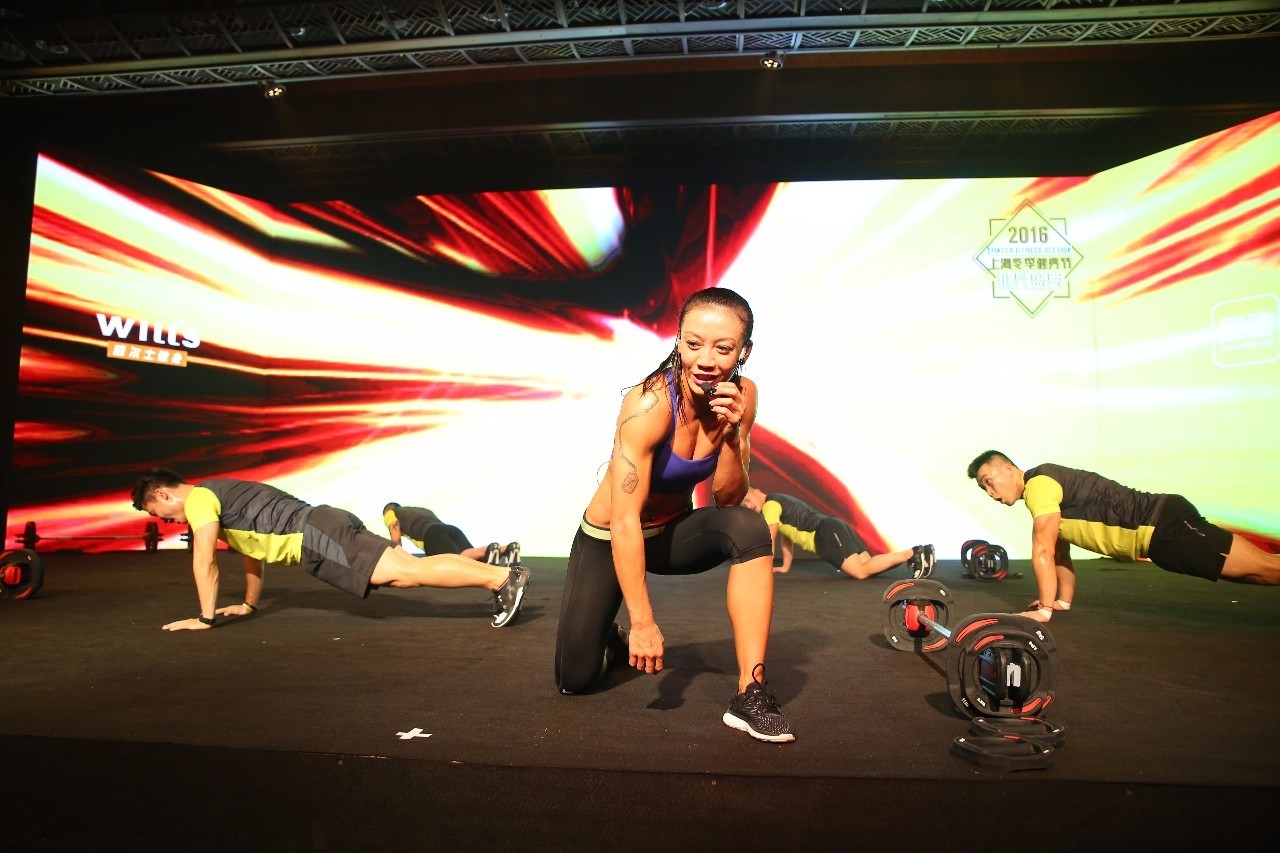
Sports friends all know that you can't take part in strenuous sports after meals. If you take part in strenuous exercises after meals, the blood that is involved in gastrointestinal digestion will be redistributed to the muscles and bones, which will affect the digestion and absorption of gastrointestinal tract. Participating in intensive exercise immediately after meals can also cause abdominal pain and discomfort due to gastrointestinal vibration and mesenteric involvement This can affect human health.
One is that the cortical center, which is in charge of skeletal muscle and myocardial movement, is in a relatively excited state, while other parts are in a relatively inhibited state. The gastrointestinal peristalsis is weakened and the secretion of digestive juice is reduced.
Second, when exercising, a large amount of blood is distributed in the exercise system. The blood in the digestive system decreases and the function decreases. Even if the exercise is stopped, the above conditions will still be maintained in a short period of time. Therefore, eating immediately after exercise will affect the digestion and absorption of food, which is harmful to the body, and will cause gastrointestinal diseases such as dyspepsia and chronic gastritis over time.
Before exercise: before exercise, you'd better eat high fiber biscuits, raisins, or fresh fruit between 1 and 2 hours before exercise.
After exercise: eat after about an hour. After exercise, it is easier to accept various kinds of drinks or liquid food, and can also replenish water. If you haven't eaten dinner two hours after exercise, you can eat solid food to supplement carbohydrate and egg white matter. Avoid caffeinated beverages such as coffee, soda, and tea after exercise. Because caffeine also has diuretic effect, can make your body water supplement insufficient. Although soda can also provide water and sugar, it is not a suitable post exercise drink.
It is important to avoid eating immediately after severe exercise and eat after 30-60 minutes rest. Food should be light, nutritious, do not eat too cold, too hard or too greasy food.
Exercise fitness in the meal time arrangement is very particular, before and after meals should not be engaged in strenuous exercise, exercise and eating between a certain interval of rest. During exercise, in order to ensure the oxygen supply of musculoskeletal oxygen and nutrients, the whole body's blood is redistributed under the regulation of the central nervous system, which greatly reduces the secretion of digestive glands, thus affecting the digestion and absorption of gastrointestinal tract. The more intense and lasting the exercise, the longer the digestive organ activity needs to recover. Therefore, it is a normal physiological activity that people don't want to eat immediately after exercise.
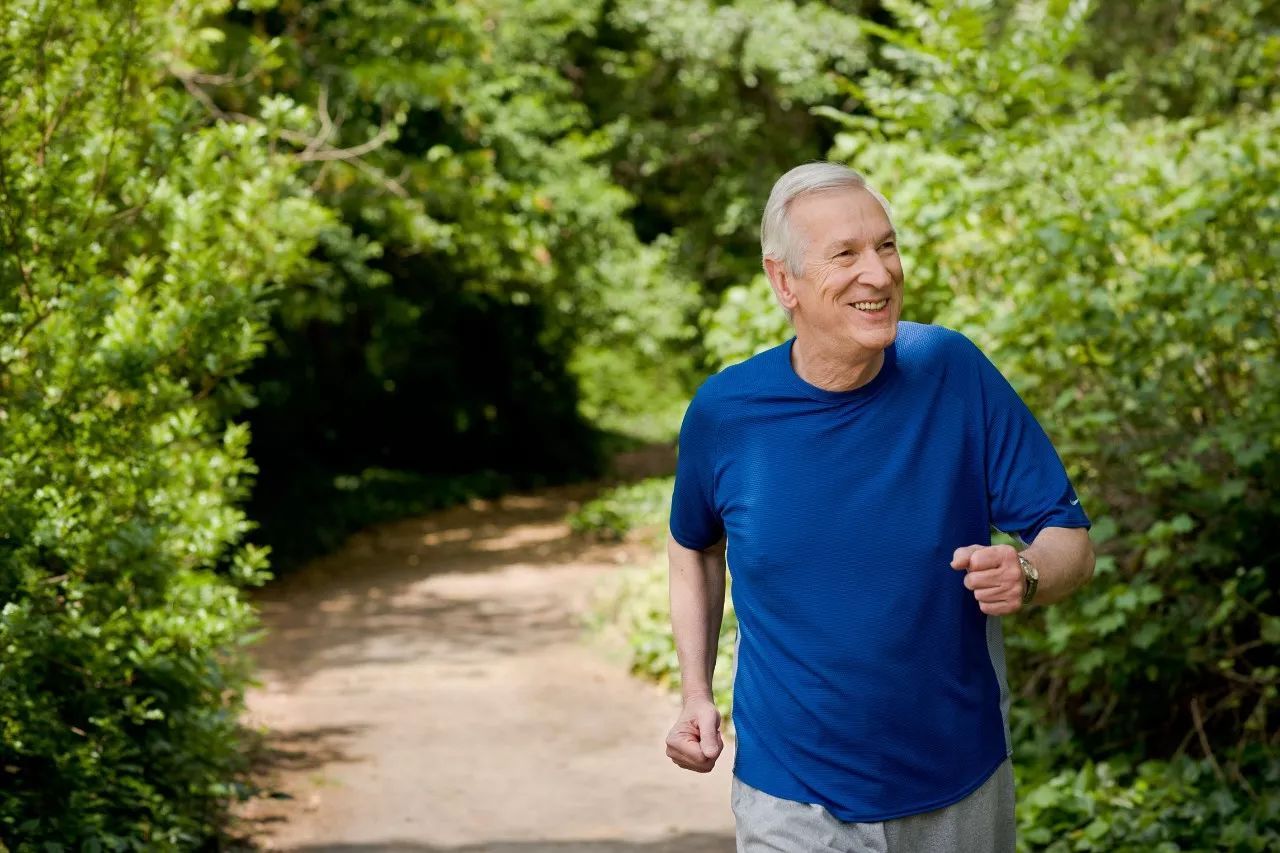
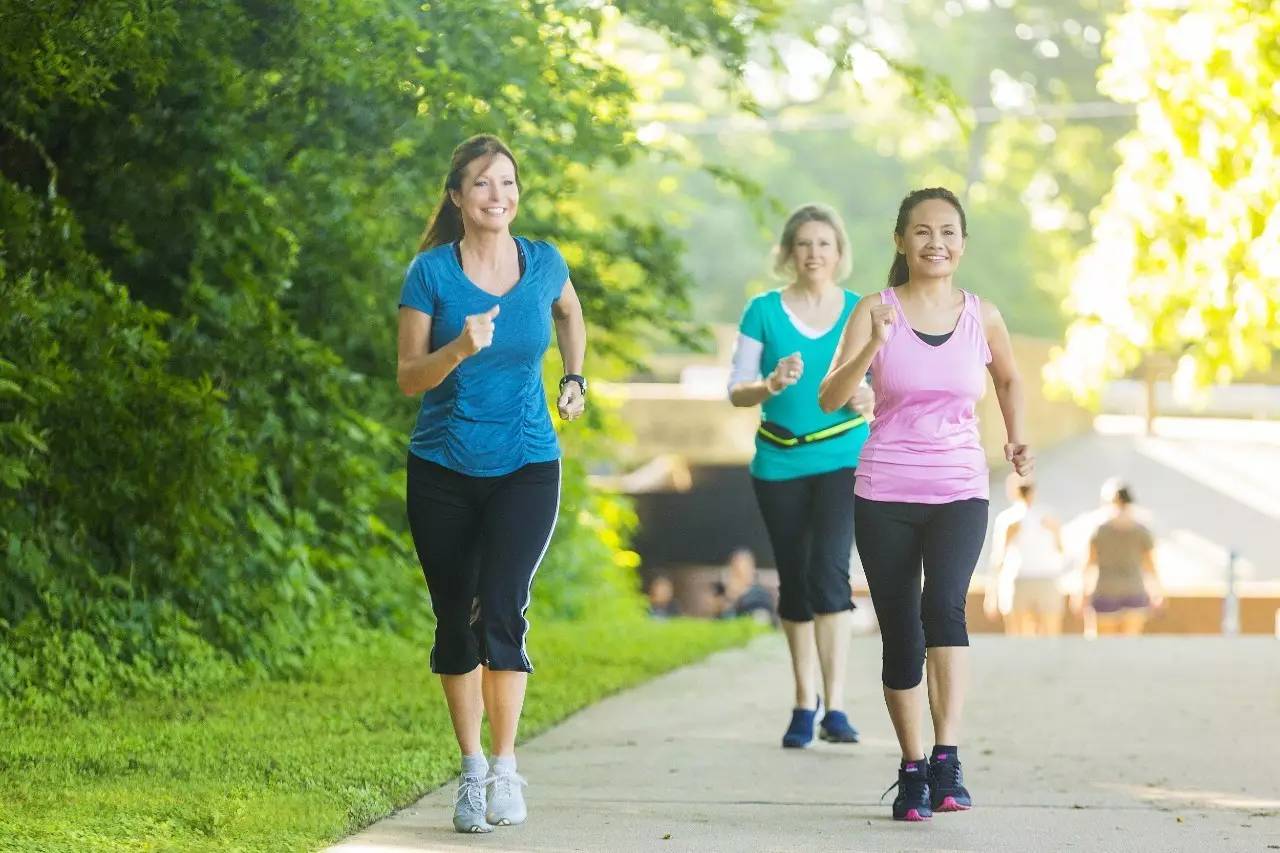
It is generally believed that it is more scientific to rest for at least 30-40 minutes after exercise. Similarly, you can't take part in strenuous sports immediately after meals. If you take part in strenuous exercises immediately after meals, the blood that is participating in gastrointestinal digestion will be redistributed to the muscles and bones, which will affect the digestion and absorption of gastrointestinal tract. Taking part in strenuous exercise immediately after meals can also cause abdominal pain and discomfort due to gastrointestinal vibration and mesenteric involvement It affects human health. Therefore, exercise should be carried out at least 1.5 hours after meals. After meals, less strenuous activities, such as walking and relatively gentle recreational and sports activities, can not only help digestion, but also good for health.
After intense exercise, blood in the gastrointestinal tract will be reduced, gastrointestinal activities and secretion will be weakened, and digestion and absorption will be affected. In the long run, it will not only affect food digestion and absorption, but also stomach disease will occur due to increasing gastrointestinal burden. In addition, after dinner, do intense exercise immediately, "heart nest" often have a top plug feeling, very uncomfortable. Excessive earthquake surge such as running and jumping can also stimulate gastrointestinal tract and produce abdominal pain, causing vomiting. After a long time, they will take part in vigorous exercise immediately, which will often cause adverse effects on the normal activities of digestive system. Over time, it will cause chronic gastrointestinal diseases or aggravate the original gastrointestinal diseases. So it is not suitable to do vigorous exercise immediately after dinner. Generally, it is more scientific to exercise after 30 minutes of eating.
What should be paid attention to after strenuous exercise?
1. Don't sit down and rest
This is a very common practice. If you feel tired after exercise, squat down or sit down and think it can save effort and rest. In fact, this is a wrong way: if you squat down immediately after fitness exercise, it will hinder the blood return of lower limbs, affect blood circulation, and deepen the fatigue of the body. Severe gravity shock may occur. Therefore, after each exercise, we should adjust the breathing rhythm, walk and swing arms, and do some relaxation and adjustment activities to promote the blood flow of limbs back to the heart, so as to pay off the "oxygen debt", accelerate the recovery of physical fitness and eliminate fatigue.
2. Don't be greedy for cold drinks
Exercise often makes people sweat profusely, especially in summer. With the consumption of a large amount of water, there will always be a feeling of dry mouth and urgent need of drinking water after exercise. Young people mainly like to buy some cold drinks to quench heat and thirst. However, the human digestive system is still in a state of inhibition and low function. If the picture is cool and thirst quenching and greedy for a large number of cold drinks, it is easy to cause gastrointestinal spasm, abdominal pain, diarrhea, and induce gastrointestinal diseases. Therefore, do not eat a lot of cold drinks immediately after exercise, you can add a small amount of boiled water or salt water.
3. Don't drop your temperature
During exercise, the blood vessels on the surface of the body are dilated, the body temperature is increased, the pores are dilated and the sweat is increased. If you enter the air-conditioned room immediately after exercise, or take a cool nap at the air outlet, or use cold water to flush, it will make the skin tight and sweat tight, and cause physiological dysfunction such as thermoregulation, and the decline of immune function will lead to cold, diarrhea, asthma and other diseases.
On the other hand, it is difficult to remove the air from the lungs due to the lack of oxygen supply in the lungs.