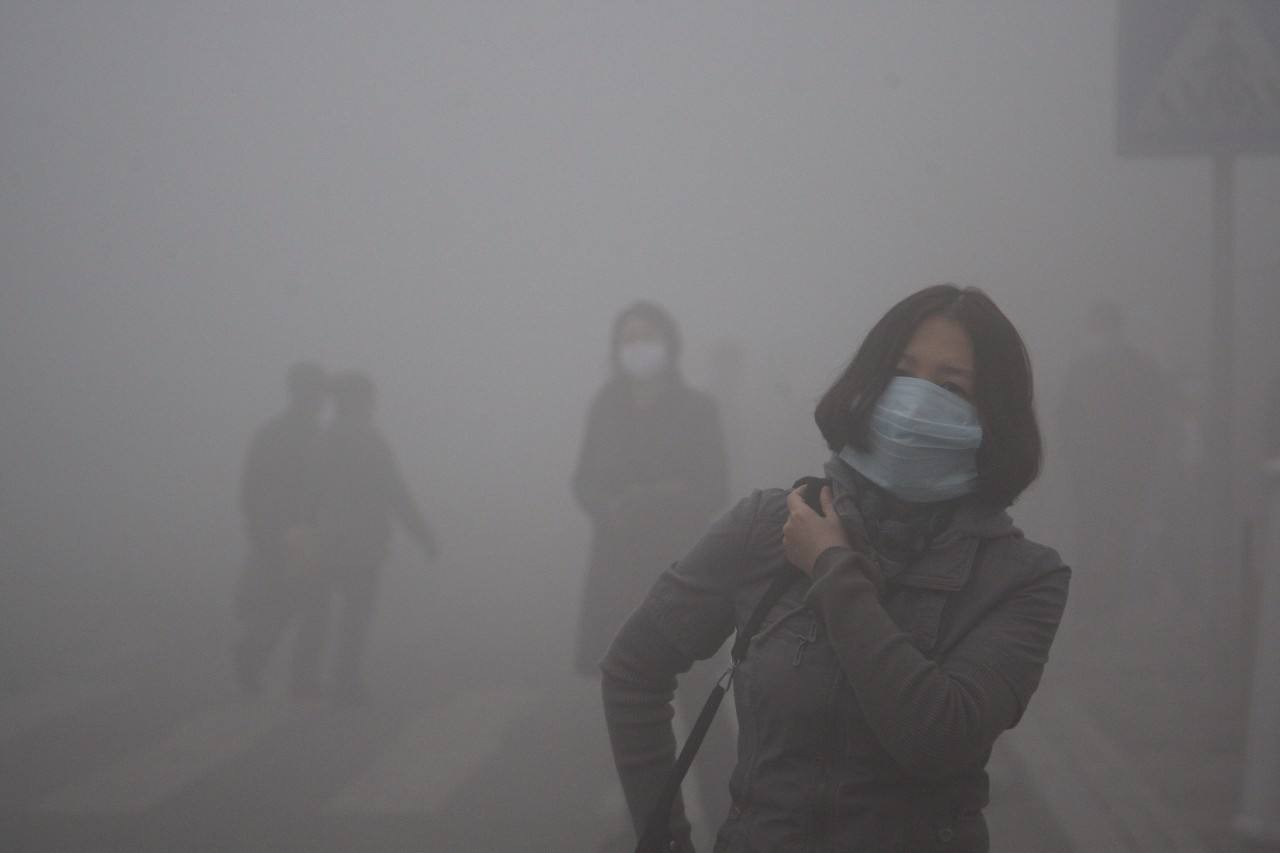
We all know that smoking is harmful to our health, and the effect on the lungs is the most common. There was a picture before that showed that the hidden danger of our health is in the lungs. In fact, smoking does harm not only the health of the lungs, but also more parts of the body.
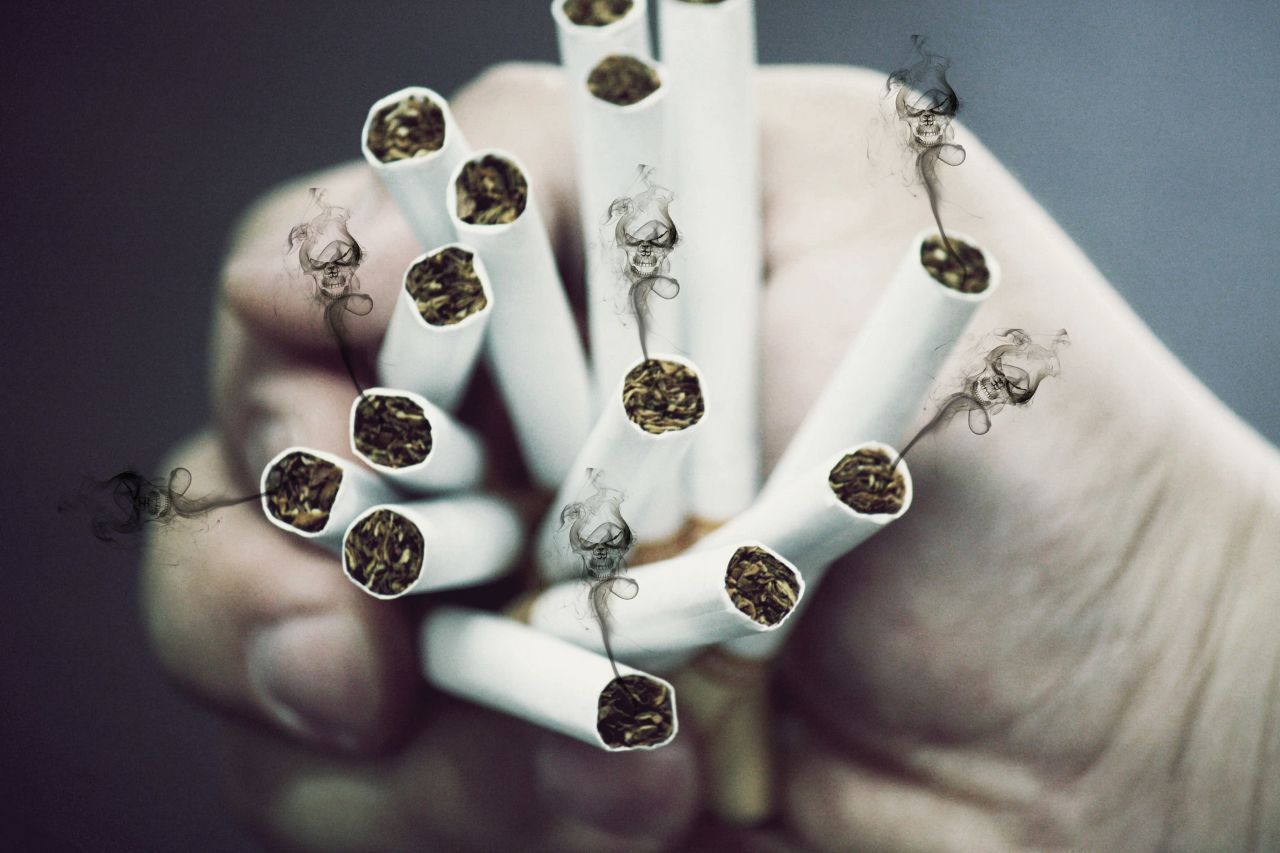
Six hazards of men smoking
1. Smoking causes blood clots and heart disease
Inhaling carbon monoxide in cigarettes reduces the ability of the blood to absorb oxygen. Nicotine can accelerate the heart rate, increase blood pressure, weaken the bearing capacity of the heart. Myocardial hypoxia can cause coronary artery infarction, and local ischemia (or angina pectoris) can promote the accumulation of atherosclerosis, and many heart diseases begin to occur.
Between the ages of 30 and 49, smokers are five times more likely to have a heart attack than nonsmokers. Quitters found that after a year, their risk of heart attack dropped by half.
2. Brain damage caused by smoking
Smoking can cause a variety of brain diseases, reduce the oxygen and blood circulation to the brain, cause cerebral vascular hemorrhage and occlusion, and lead to paralysis, mental retardation and stroke. The cause of stroke is that smoking causes vasospasm in the brain, which makes blood clotting easier. Smokers are twice as likely to have a stroke as non-smokers.
3. The harm of smoking on oral cavity
Smoking can cause oral and laryngeal cancer. Tar in cigarettes and the heat of smoke can inflame salivary glands, damage taste buds, and greatly weaken taste and olfactory ability. Next, it is very easy to cause oral cancer, about 2 / 3 of patients can still survive after the discovery of oral cancer. At the same time, the smoke can increase the temperature in the throat from 37 ° C to 42 ° C, causing slight burn of mucous membrane inside, resulting in chronic thermal injury, and eventually leading to laryngeal cancer.
4. Lung damage caused by smoking
Smoking can lead to short and irregular cilia of bronchial epithelial cells and disturbance of movement, reduce local resistance and be susceptible to infection. It can cause lung cancer. Smoking is responsible for 90% of the total mortality. The initial symptoms are not detected until cancer cells spread to blood vessels and other organs. Smoking can also cause emphysema. Toxic substances accumulated in the bronchus of the lung will hinder the normal exhalation of the air inhaled by the human body, causing lung cells to expand or burst, resulting in dyspnea.
5. The damage of smoking to stomach
Gastrointestinal disease is enough to make smoking worse. Patients with gastric ulcer or duodenal ulcer, ulcer healing will slow down, and even evolve into chronic disease. Smoking can stimulate the nervous system, accelerate the secretion of saliva and gastric juice, so that gastrointestinal tension often occurs, leading to poor appetite of smokers. In addition, nicotine can make gastrointestinal mucosa vasoconstriction, also make appetite loss.
6. Smoking harms not only oneself but also others
When smoking, the smoke from the mouth and nostrils will choke others, that is to say, smoking and passive smoking can lead to a variety of cancers, and the carcinogenic rate will be greatly increased compared with smokeless conditions. You can imagine that the danger is approaching you slowly. Your family will fight against you because of your stubbornness, which will affect the harmony. In the near future, you will suffer from painful groans. Once you get sick, it will be a disaster and nightmare for the whole family.
Such a thrilling scene, I believe it is not the future I want. Moreover, after smoking, some people throw away the cigarette butts everywhere. It not only destroys the environment but also pollutes the air, and may cause fire. Therefore, this also makes it clear that smoking is harmful but not beneficial. The number of deaths caused by smoking in the world reaches one million every year, and smoking is the first killer of human beings. It is not only beneficial to health, but also an embodiment of noble public health morality.
The best way to quit smoking
1. Quit smoking from now on, completely quit smoking or gradually reduce the number of smoking methods, usually 3 to 4 months can be successful.
2. Get rid of smoking equipment, such as lighters, ashtrays, cigarettes, and reduce your "reflexes.".
3. Firmly refuse the temptation of cigarettes, often remind yourself that another cigarette is enough to make the plan of quitting smoking useless. Avoid participating in smoking places or activities.
4. Drink water, eat fruit or take a walk after a meal to get rid of the idea of a cigarette after dinner. Research shows that drinking more juice in the early days of quitting smoking can help to get rid of nicotine addiction.
5. When you are addicted to smoking, you should immediately take deep breathing activities or chew sugar free chewing gum. Avoid substituting snacks for cigarettes. Otherwise, blood sugar will rise and your body will be overweight.
6. Tell others that you have quit smoking. Don't give you cigarettes or smoke in front of you.
7. Write down your reasons for quitting smoking, such as for your health, for your family, to save money, and so on. Take it with you. When you become addicted, you can take it out to warn yourself.
8. Make a plan to quit smoking and reduce the number of cigarettes you smoke every day.
9. Arrange some sports activities, such as swimming, running, fishing, etc. On the one hand, it can relieve mental tension and pressure, on the other hand, it can avoid spending more time on smoking.
10. When you have the urge to smoke, you can control it by drinking water. Water has proven to be a great way to quit smoking. When you feel empty or want to smoke, take a glass of water slowly.
11. If behavioral therapy alone is difficult to promote smoking cessation, nicotine replacement therapy or non nicotine drug therapy will often help smokers quit smoking successfully. Nicotine replacement therapy, which uses products containing trace amounts of nicotine, such as chewing gum, nasal spray or plaster on the skin, helps smokers quit to alleviate the severe symptoms such as irritability, insomnia and anxiety during smoking cessation.
12. When you really find it difficult to quit smoking, you can consult a professional doctor for help. Getting the support of family and friends is also very important for successful quitting smoking.