In many people's idea, sleeping in a hard bed is good for the body's bones, and you won't get sore when you get up. However, not everyone can sleep in a hard bed, and a hard bed is not what people understand as a "hard bed".
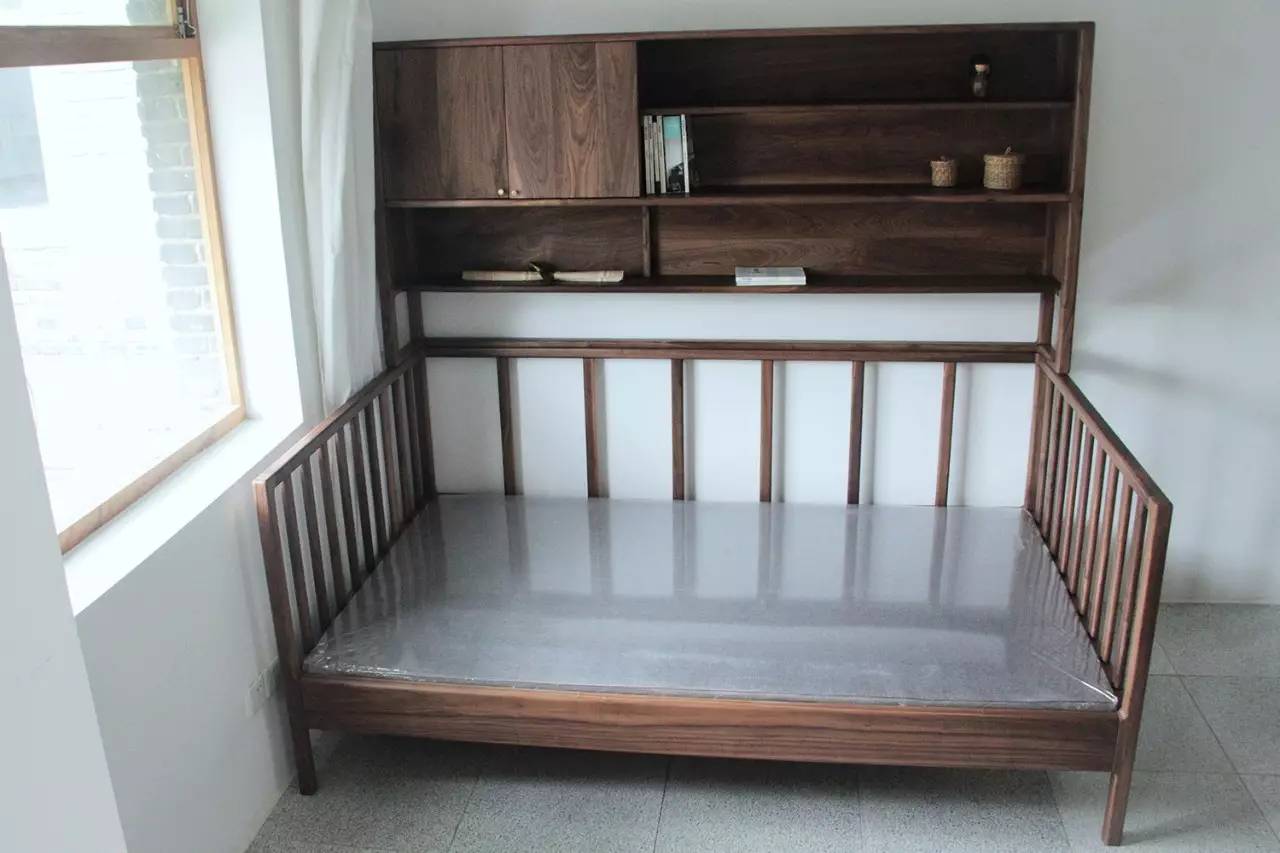
If the bed is too soft, the compression of human body weight will make the middle of the bed low, high around, and then affect the normal physiological flexion of the lumbar spine, resulting in the contraction, tension and spasm of lumbar muscles and ligaments. But too hard bed can also cause pressure on some parts of the human body, leading to sleep when turning over the number of increased, not enough rest. In addition, a person's spine is S-shaped. If the bed is too hard, it can't maintain the normal curve of the spine. If the waist is not supported, you will have backache after getting up.
General lumbar process disease and low back pain patients, as well as part of the fracture postoperative rehabilitation period of patients, to sleep hard bed. Normal people, infants and young children should not sleep too hard bed, especially from the birth to 3 years old stage, if the bed is too hard, not conducive to children's bone development.
If the home is a hard board bed, you can put about 10 cm thick mattress on it, or put a brown mat on the wooden bed. If you still feel hard, you can add 5-8 cm thick mattress. There is a simple way to judge whether the hardness of the bed is appropriate: lie flat on the bed and press your hands under your waist. If your hands feel pressed and hard to pull out, it means that the hardness is appropriate.
What are the criteria for a good bed?
First, whether a bed is good or not depends on its softness and hardness. It is suggested that when you buy a bed, lie down and try it
A healthy bed, people will not have the feeling of sinking after lying on it. When lying flat, you can feel that there is a palm between your waist and the bed, rather than no gap at all. If there is no gap at all, it is likely that the bed is too soft. If the gap is too large, it means that the bed is a bit hard, and it is not recommended to choose.
Second, the air permeability is also a standard to judge whether the bed is good or not
Our body needs to excrete a lot of sweat every day, which can reach as much as 750 ml. Among them, nearly a third of the sweat will be absorbed by our mattress, so it is very necessary to choose a mattress with good air permeability. Poor air permeability mattresses are prone to mildew, spring rust and other problems, breeding more bacteria and mites, for our health is very unfavorable.
Third, the environmental protection standard of the bed is also the standard to judge whether it is the No. bed
According to the national standard, the content of formaldehyde in mattress should not exceed 0.050mg/m2. H. If you buy a bed with excessive formaldehyde content, long-term sleep in this kind of bed will bring greater harm to our body, so when selecting a bed, we must see whether the environmental protection of the bed is up to standard. In fact, too hard or too soft bed for the health of the waist is more unfavorable.
Because, the person sleeps on the bed that is too soft, the whole person is in the state of sinking downward. In this case, our waist is not supported. For a long time, it is easy to have a feeling of backache and backache, which is not conducive to the health of the waist. The rigid bed will lead to the waist hanging on the bed, unable to let the waist get sufficient relaxation and rest, resulting in muscle stiffness of the waist, causing lumbar muscle strain and other waist diseases.
Eight prescriptions for mattress maintenance
1. Regular adjustment direction: after the newly purchased mattress is put into use, the front and back direction and up and down rotation action should be done every three months in the first year, so that each part of the mattress is stressed evenly and the service life of the mattress is increased;
2. Maintain air circulation: in order to ensure that the mattress interior material is not affected by moisture, and increase the comfort of the mattress, the room in which the mattress is used must maintain air circulation;
3. Avoid doing single point jump or fixed-point heavy pressure on the mattress, avoid standing on the mattress or doing single point jump or fixed-point heavy pressure, which will make the mattress bear uneven force, and should also avoid sitting on the edge for a long time to shorten the service life of the mattress;
4. Do not use hot air to clean the mattress. Do not use hot air to clean the mattress. In addition, do not use dry cleaning liquid to clean the bed surface, which may damage the cloth surface;
5. Do not smoke on the bed or place the mattress near the flame;
6. Use cleaning pad: in order to ensure the hygiene of the mattress, cover the cleaning pad before covering the sheet;
7. Upper and lower mattress coordination: do not put board between the upper mattress and the lower cushion or put the upper cushion on the damaged old mattress. You can buy the matching lower cushion to prolong the life of the new mattress and sleep comfort. If the mattress surface is polluted, it can be scrubbed with alcohol in time;
8. Handle with care: when handling, the mattress should be placed on a straight elevation, do not bend and fold, which will damage the shaped frame of the mattress and cause the mattress to twist and deform.