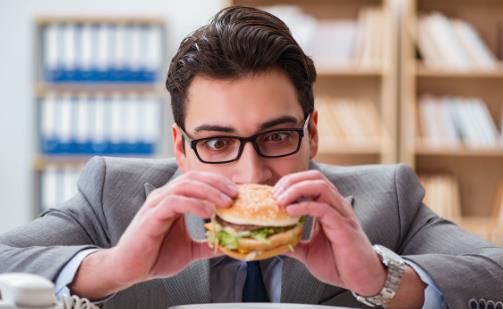
When you go to work, you should sit; when you get off work, you should sit; when you go home, you should lie down and take a few steps every day. Although you don't exercise now, you won't have any big problems, but if you don't exercise for a long time, be careful of all kinds of diseases.
Lack of exercise has become the fourth leading death risk factor
According to the World Health Organization research released by the lancet, at present, there are 1.4 billion adults in the world who are lack of exercise. This group of people have a higher risk of cardiovascular disease, diabetes and other diseases! According to statistics, more than 5 million people in the world die from lack of exercise every year!
Lack of exercise, 4 kinds of diseases are easy to find
1. Cardiovascular diseases
If people do not exercise for a long time, the body's requirements for the workload of the heart will be reduced. Slowly, the human heart will easily become weak, leading to cardiac dysfunction, resulting in heart rate too fast or too slow. In addition, if people do not exercise for a long time, the elasticity of blood vessels will be decreased, the wall of blood vessels will be thickened, and the speed of blood circulation will be slowed down, which will easily lead to the decline of blood circulation system and cause diseases such as hypertension, coronary heart disease and arteriosclerosis.
On the contrary, regular exercise is beneficial to improve cardiopulmonary function, reduce body fat rate, improve cardiovascular activity, promote blood circulation, reduce or delay the occurrence of cardiovascular and cerebrovascular diseases.
2. Alzheimer's disease
A Swedish study has found that middle-aged women who keep fit are almost 90% less likely to develop dementia after decades. If the elderly lack exercise, the risk of Alzheimer's disease is twice as high as that of exercise elderly people.
Many studies have shown that regular aerobic exercise combined with complex exercise with certain skills can exercise the brain. Therefore, before you are old, you should actively participate in exercise.
3. Cancer
There are many factors causing cancer, such as irregular work and rest and diet, genetic factors, air pollution, lack of exercise, etc. there are different opinions on the causes of cancer in the medical field, but one is worth affirming, that is: exercise is an effective way to prevent cancer, and lack of exercise is an important factor in the formation of cancer.
Daily moderate exercise is also conducive to improving human metabolism, enhancing body immunity, reducing excess fat in the body, improving people's mood and reducing cancer risk.
4. Diabetes
According to statistics, 7.2% of global type 2 diabetes is related to exercise deficiency, and 3.95% and 9.6% of people in Southeast Asia and eastern Mediterranean respectively suffer from diabetes due to insufficient exercise. Insufficient exercise will not only reduce the body's disease resistance, but also slow down the intracellular glucose transport, reduce the oxidation and utilization of muscle glucose, as well as the body's sensitivity to insulin, thus leading to diabetes.
The guidelines issued by the American Diabetes Association in 2016 clearly pointed out that: everyone should reduce sedentary time, especially avoid sedentary more than 90 minutes! Therefore, we'd better get up every 1 hour to exercise when we go to work, class or lie down at home.
So, for people who want to keep fit by sports, how should they match and combine in order to choose the exercise mode suitable for their age at different stages of life? A training expert in the United States recently designed a life-long fitness program to help you find the right way to exercise from your twenties to your age. Let you benefit from sports. The following is the specific plan:
Twenties: you can choose high impact aerobic exercise, running or boxing. For your body, the benefits are that you can burn a lot of calories, strengthen your muscles, improve energy, endurance and hand eye coordination. Psychologically, these exercises can help you relieve the external pressure, let you temporarily forget the daily chores, and gain a sense of accomplishment. At the same time, running also has the advantages of stimulating creativity and training self-discipline; boxing, in addition to cultivating confidence, restraint and the ability to face conflicts, is more suitable to be used as a "outlet".
In your thirties: rock climbing, skateboarding, skating or martial arts are recommended for fitness. In addition to losing weight, these exercises increase muscle elasticity, especially in the hips and legs; they also help with energy, endurance, and improve your sense of balance, coordination, and sensitivity. Psychologically, rock climbing can cultivate Zen like concentration, help you build self-confidence and strategic thinking; skating is pleasant, multi sensory and forgetful; martial arts help you keep calm, self-improvement and vigilance in conflicts, and can also effectively improve the degree of concentration.
Over 40: choose low impact aerobic exercise, hiking, stair climbing, tennis and other sports. The benefits to the body are to increase physical strength, strengthen the muscles of the lower body, especially the legs. Like climbing stairs, you can sweat and keep fit, and it is very suitable for busy city office workers to practice nearby every day. Tennis is a very suitable whole-body exercise, which can increase the sensitivity and coordination of all parts of the body and keep people energetic. At the same time, the pressure on joints is not as big as running and high impact aerobic exercise. Psychologically, these exercises are refreshing, relaxing tension and stress. Take climbing stairs as an example. Regularly climbing up and down is often a good way to control yourself and restore your mood to stability. Similarly, playing tennis not only has social function, but also can put aside pressure and irritability, train concentration, judgment, and sense of time.
Over 50: suitable sports include swimming, weight training, rowing, and golf. Swimming can effectively strengthen the muscles and elasticity of all parts of the body, and because of the buoyancy support of water, it is not as hard as land sports. It is especially suitable for recuperators, pregnant women, rheumatic patients and older people. Weight training can firm muscles, strengthen bone density, improve other sports ability, and when playing golf, if you can walk, carry your bag, and speed up your pace, you can often stabilize the heart function. In terms of psychology, swimming has both the effect of inspiring and calming, and the attentive rowing can make people forget the chores; weight training can improve the satisfaction of self-image, so that the pressure and irritability can be released with sweat; rowing in a team can cultivate the spirit of cooperation and team; playing golf can make people more attentive and self disciplined.
Over 60 years old: introduce you to do more walking, social dancing, yoga or water aerobics. Walking can strengthen legs, help prevent osteoporosis and joint tension; social dance can enhance the sense of rhythm, coordination and elegance of the whole body, which is very suitable for people who do not often exercise; yoga can make the whole body more elastic and balanced; it can prevent physical injury; aerobic water should enhance muscle strength and elasticity, suitable for obese, pregnant women or the elderly and weak. These are not fierce sports, but in addition to fitness, their greatest function is to make people energetic, feel interesting, and have a social role, is a good way to keep the elderly young.